
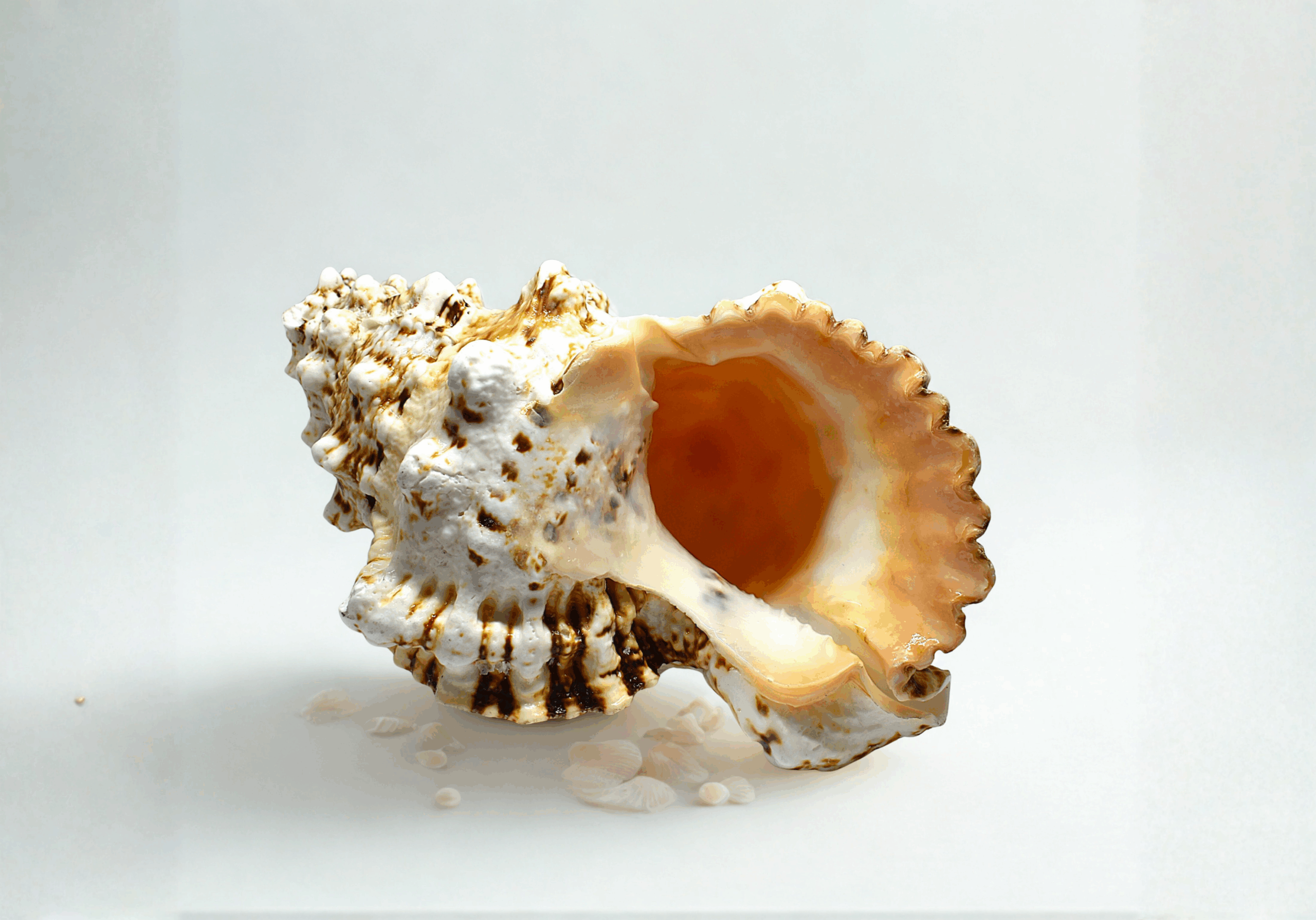
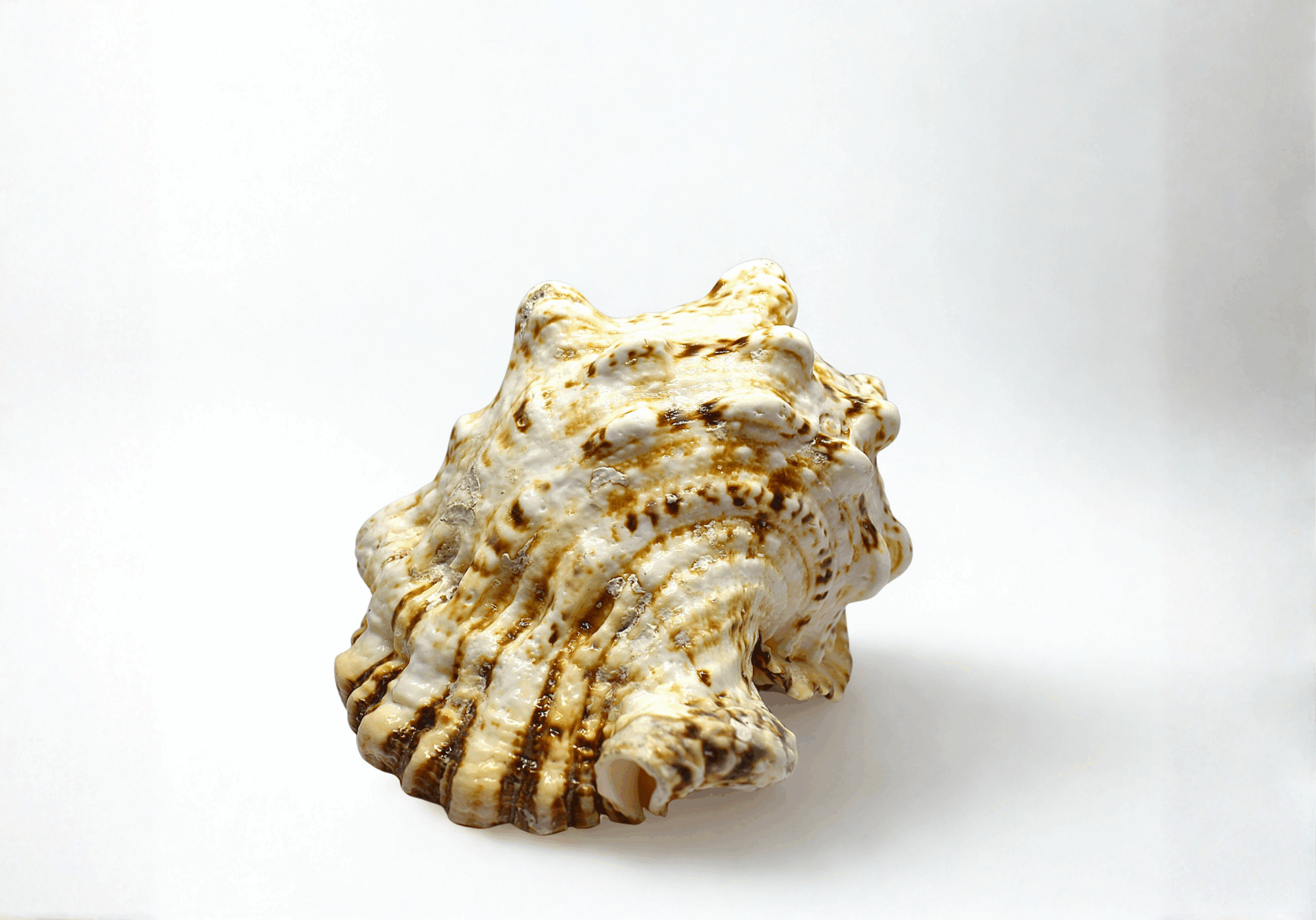
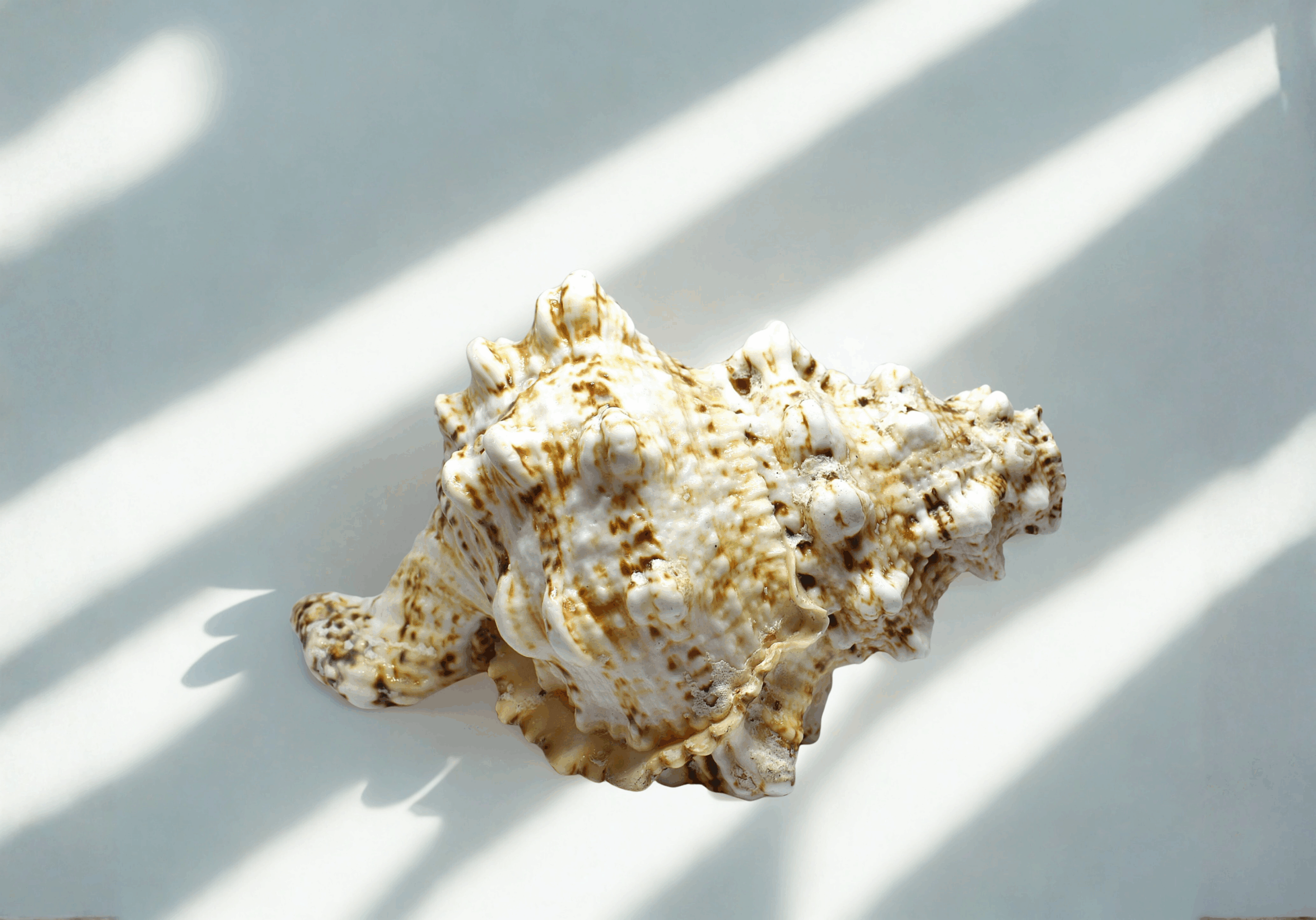
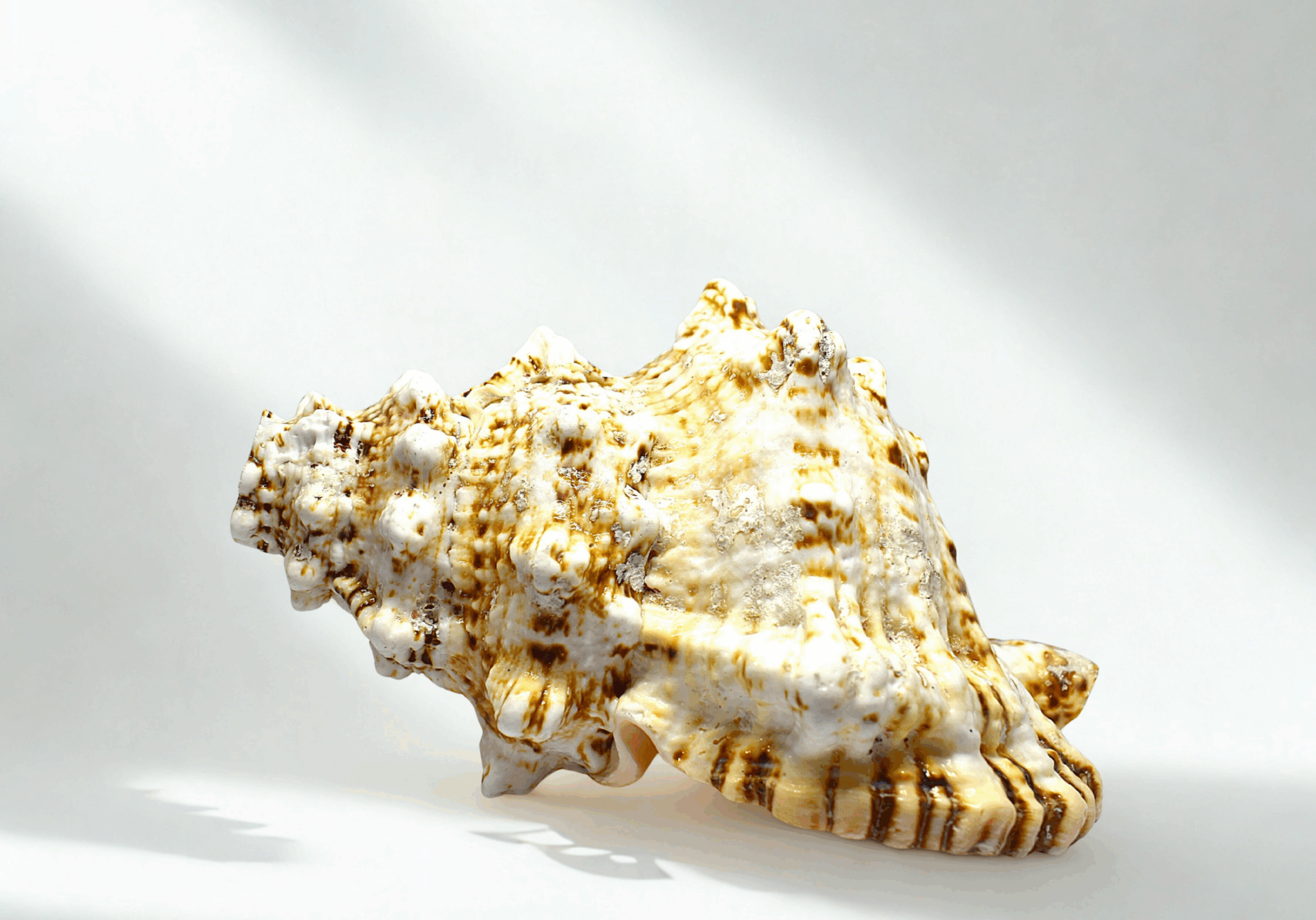
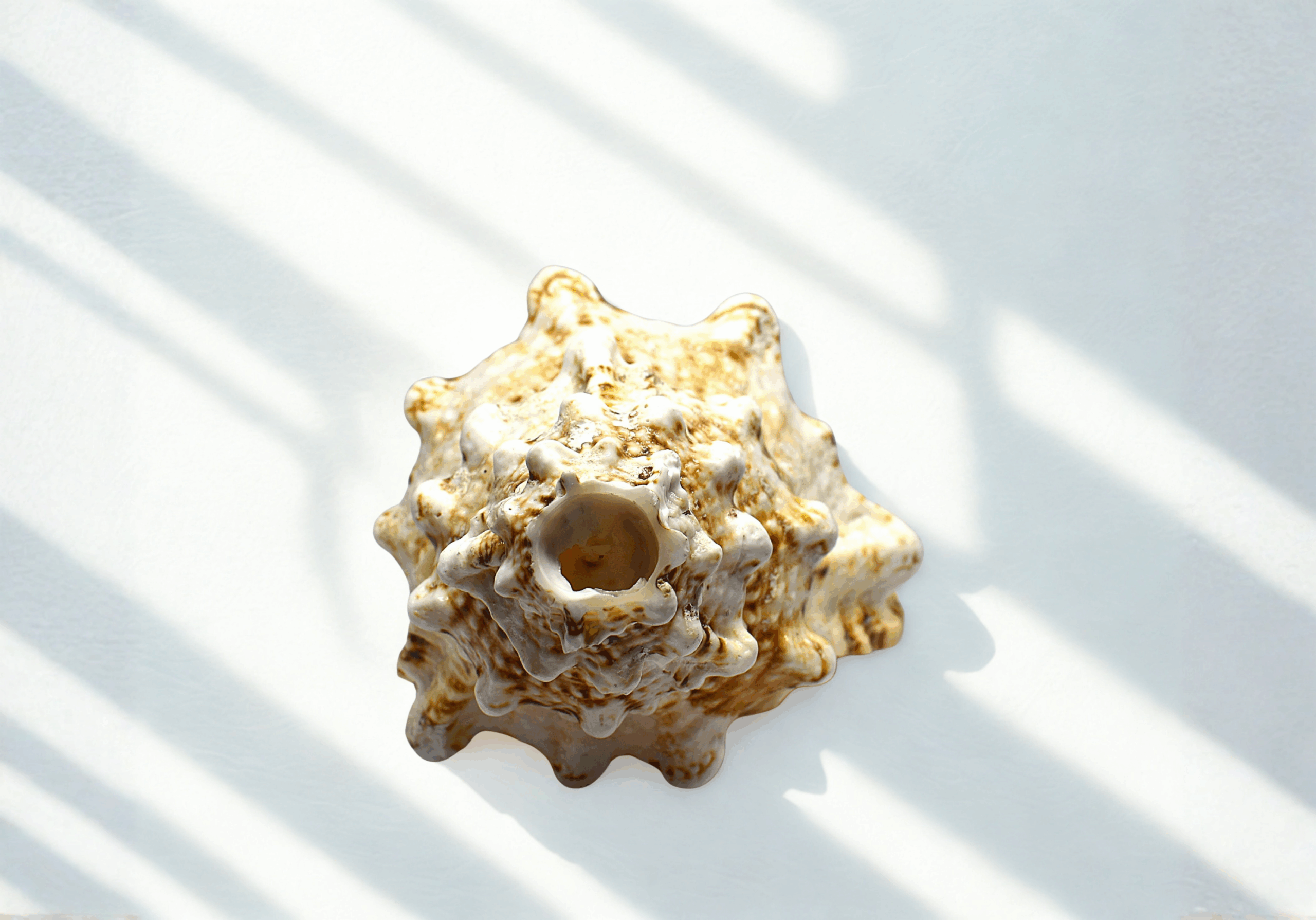









Description
Inspired by the Conch of Righteous Proclamation
DIMENSION- 9 INCH
Hindi / Sanskrit Names:
- सुघोष शंख (Sughosha Shankha)
- घोष शंख (Ghosha Shankha)
English Name:
- Sughosha Conch
- High-Resonance Blowing Conch
- Ceremonial Sound Conch
Scientific Identification:
Turbinella pyrum
(“Sugosh” refers to sound quality tradition, not species.)
Overview
The Sugosh Shankh draws inspiration from the conch known in the epic tradition as “Sughosha,” associated with the warrior Nakula in the Mahabharata. In Sanskrit, Su means “auspicious” or “excellent,” and Ghosh refers to sound or proclamation — together symbolizing a noble or auspicious resonance.
While contemporary classifications of shankhs are devotional in nature, the name Sugosh evokes the legacy of sacred sound used to announce dharma (righteous action), clarity of purpose, and ceremonial beginnings.
This conch is valued for its dignified presence and resonant tonal potential.
Scriptural & Epic Context
In the Mahabharata, the blowing of conches before the Kurukshetra war marked the declaration of intent and alignment with dharma. Each warrior’s conch bore a distinct name, reflecting identity and purpose.
Nakula’s conch was known as “Sughosha,” symbolizing refined strength and clarity. The act of sounding the conch in epic literature was not merely martial — it was ceremonial and sacred.
The conch itself remains one of the four principal attributes of Vishnu, representing sacred sound and divine authority.
The Sugosh Shankh offered today draws symbolic inspiration from this epic heritage.
Symbolism of Sacred Sound
In Vedic philosophy, sound (nāda) occupies a foundational place in spiritual understanding. The resonance produced by a conch is traditionally associated with:
- The marking of sacred beginnings
- The proclamation of intent
- The symbolic clearing of space before ritual
- The invocation of attention and awareness
The Sugosh Shankh reflects this tradition of dignified announcement — a sound that calls one toward presence and purpose.
These associations arise from scriptural and devotional interpretations and may vary across traditions.
Natural Formation & Individual Character
Each Sugosh Shankh is:
- Naturally formed in marine environments
- Unique in spiral structure and surface texture
- Distinct in tonal depth when blown
- Individually marked by organic patterns
Variations in size, tone, and external markings are natural characteristics and part of its authenticity.
No two pieces are identical.
Traditional Usage
The Sugosh Shankh is traditionally:
- Blown at the beginning of puja or ceremonial gatherings
- Used during temple rituals and festive observances
- Placed in sacred spaces as a symbol of dharmic alignment
- Occasionally filled with water for ritual sprinkling
In some traditions, the conch is sounded to signal the commencement of important rites, symbolizing clarity and reverence.
Usage practices vary across regions and lineages.
Acoustic Perspective
From an acoustic standpoint, the conch functions as a natural wind instrument. Its spiraled internal chamber amplifies breath into a resonant tone capable of traveling across considerable distance.
Historically, conches were used in:
- Temple ceremonies
- Royal proclamations
- Processional rituals
- Ceremonial signaling
The Sugosh Shankh honors this legacy of powerful, purposeful sound.
Aesthetic & Sacred Presence
The Sugosh Shankh typically features:
- A balanced spiral formation
- A commanding yet elegant structure
- Natural sheen and marine texture
Its presence adds a sense of ceremonial gravity to an altar or ritual space.
Who Is This For?
The Sugosh Shankh is ideal for:
- Devotees who value scriptural heritage
- Practitioners who incorporate conch blowing into daily worship
- Collectors of epic-inspired sacred objects
- Temple settings and ceremonial use
- Those seeking a symbol of clarity, strength, and righteous intent
It particularly resonates with individuals drawn to the epic traditions of dharma.
Care Instructions
- Rinse gently with clean water after ritual use.
- Avoid chemical or abrasive cleaning products.
- Dry thoroughly before storage.
- Store respectfully in a clean, dry environment.
Proper care maintains both its physical integrity and ritual dignity.
Important Note on Traditional Associations
The meanings and symbolic references described above are based on traditional Hindu scriptures and devotional interpretations. Beliefs and usage may vary across communities and spiritual lineages.
This product is offered as a sacred heritage object and is not intended to guarantee specific outcomes.



Reviews
There are no reviews yet.