
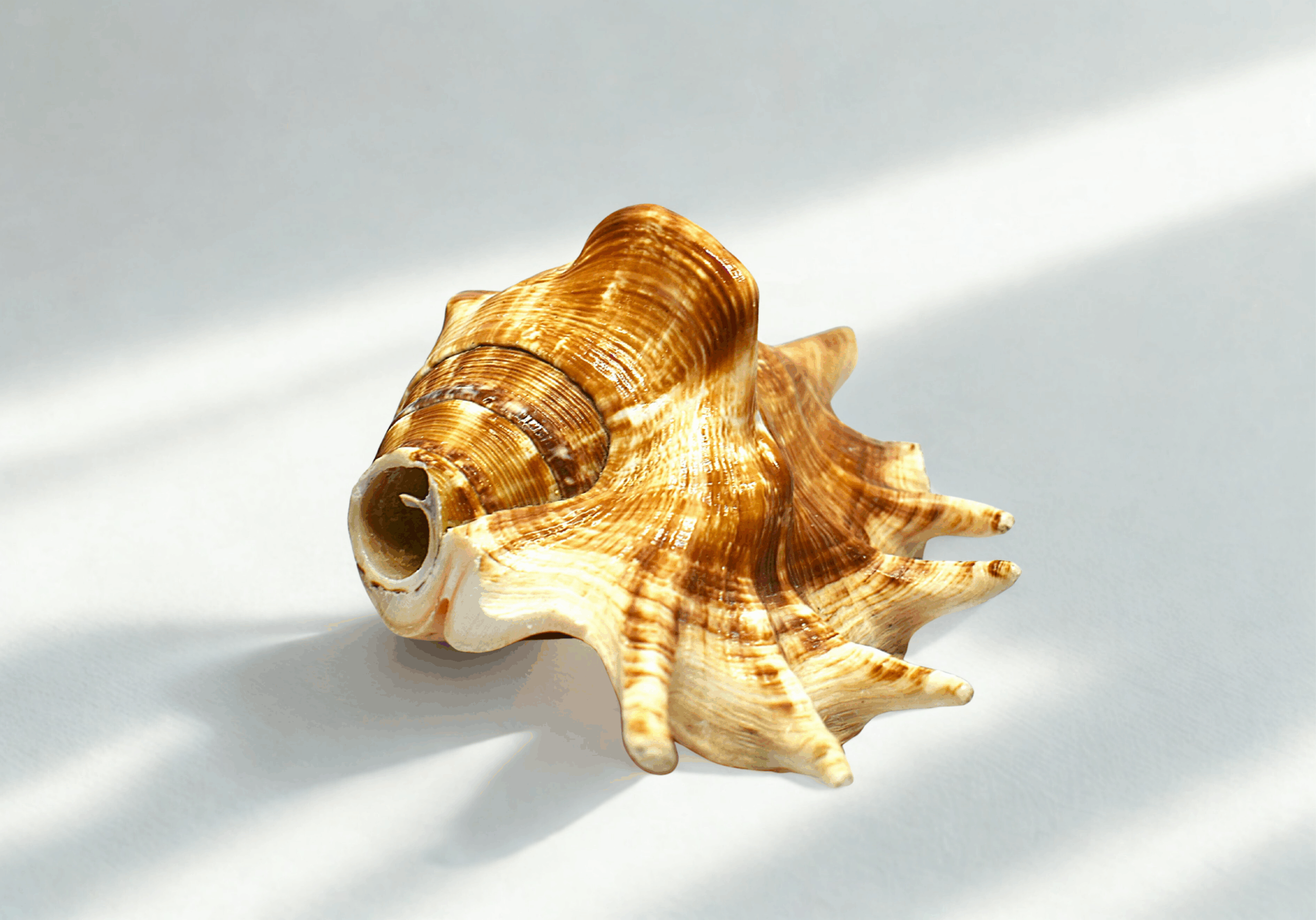
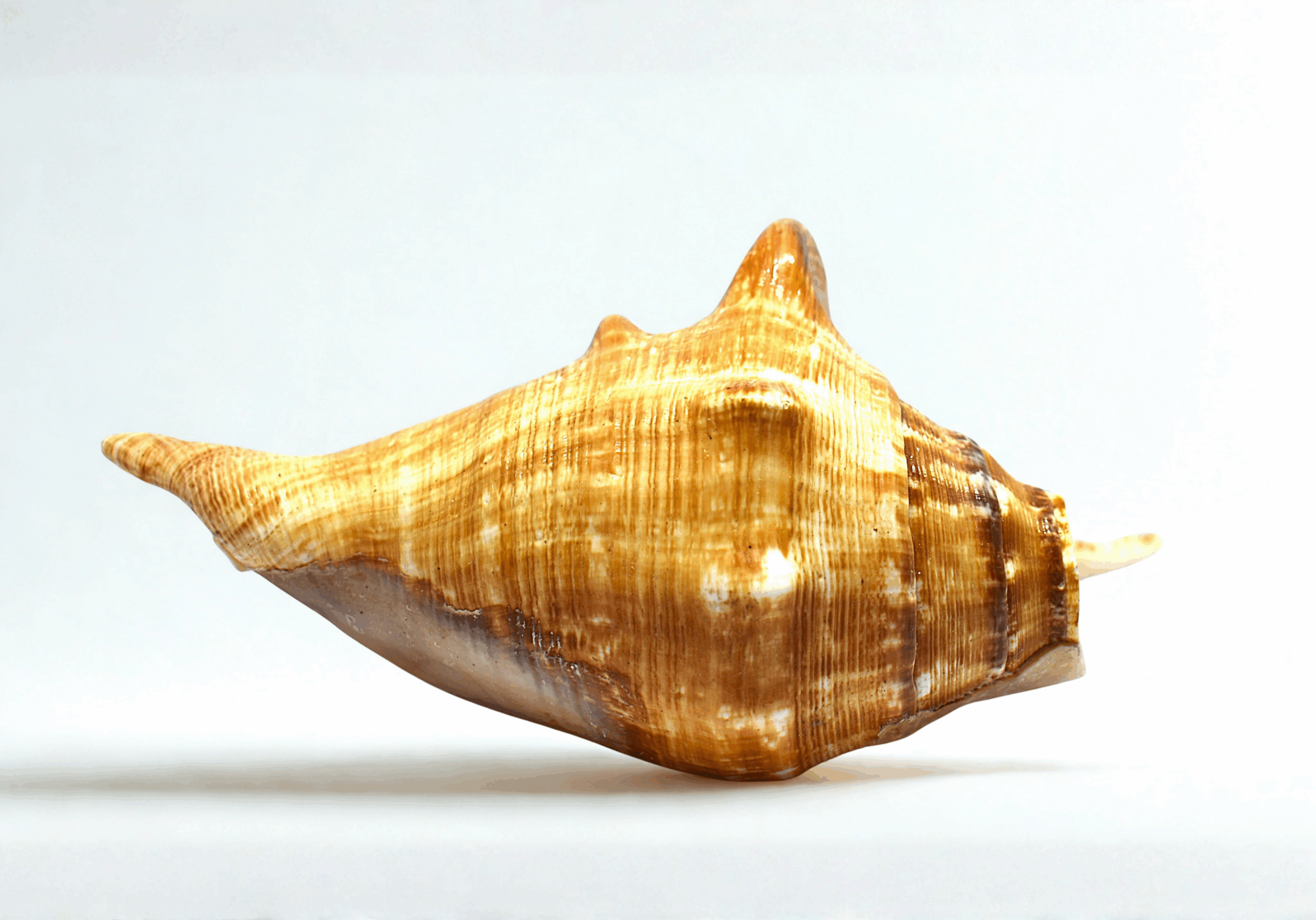
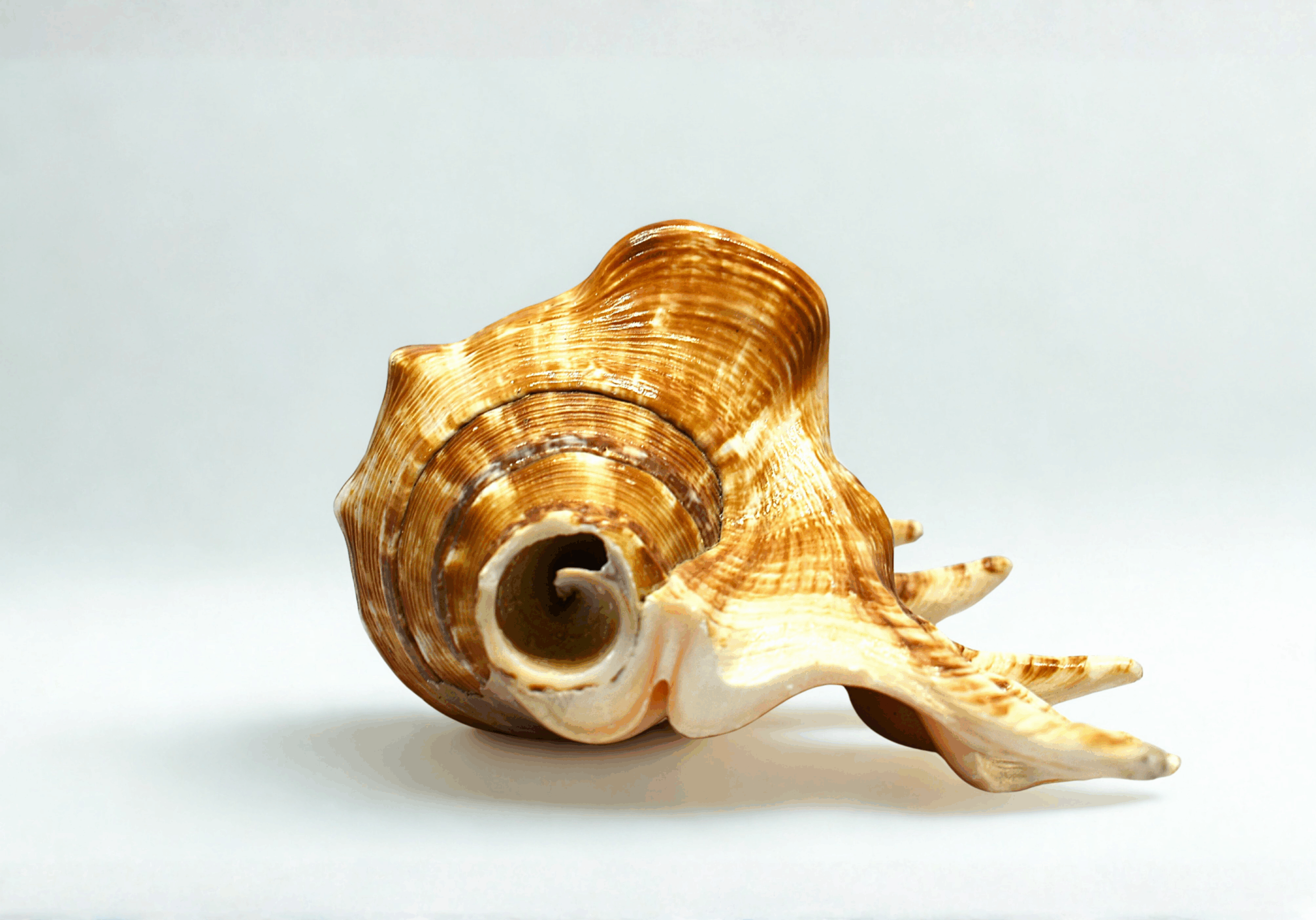
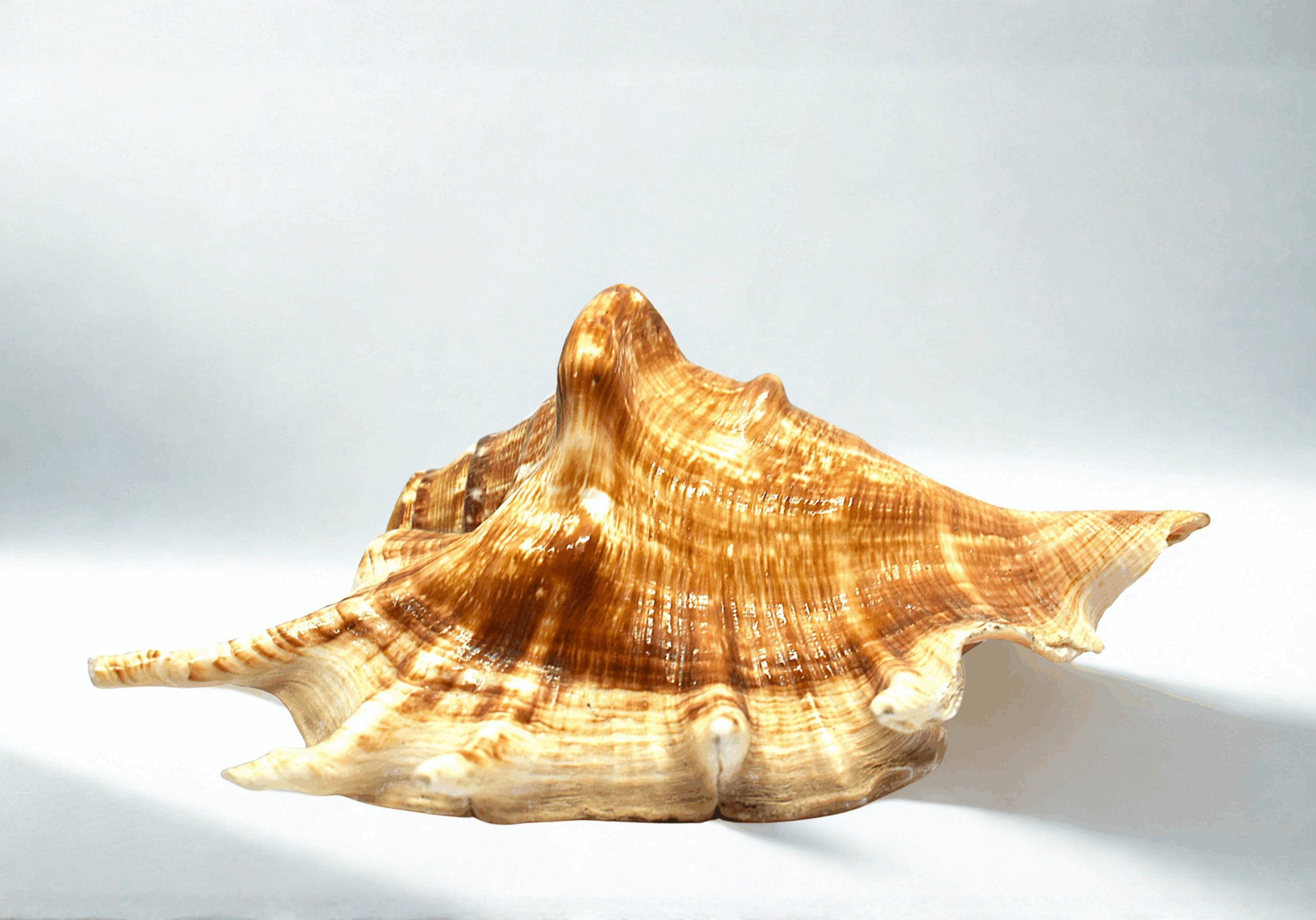








Description
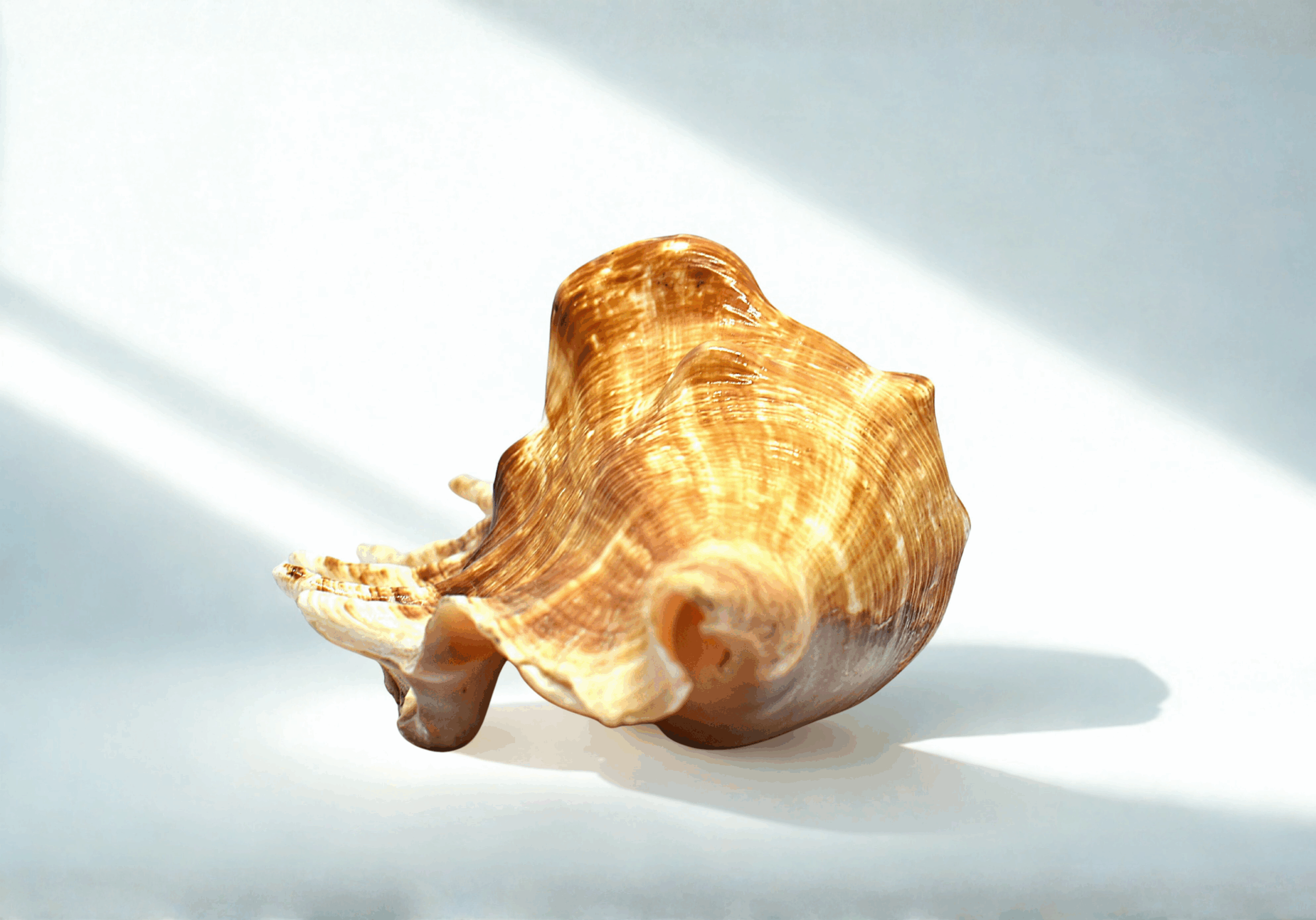
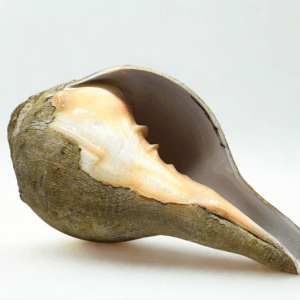
The Five-Faced Conch Traditionally Associated with Sacred Completeness
DIMENSION- 6 INCH
Hindi / Sanskrit Names:
- पंचमुखी शंख (Panchmukhi Shankha)
- पंचवक्त्र शंख (Panchavaktra Shankha)
English Name:
- Five-Faced Conch
- Multi-Ridged Sacred Conch
- Panchamukha Conch
Scientific Identification:
Turbinella pyrum
(“Panchmukhi” refers to visible structural ridges.)
Overview
The Panchmukhi Shankh derives its name from the Sanskrit words Pancha (five) and Mukhi (faced or formed), referring to a conch structure that symbolically presents five distinct natural ridges or openings.
In Hindu spiritual symbolism, the number five holds profound significance — representing the five elements (Pancha Mahabhutas), five senses, and five sacred aspects of consciousness. The Panchmukhi Shankh is therefore appreciated not merely for its physical form, but for the layered symbolism associated with the number five in Vedic philosophy.
While marine conches are naturally occurring oceanic formations, devotional traditions have long identified certain forms by symbolic names reflecting spiritual themes. The Panchmukhi Shankh emerges from this heritage of interpretive reverence.
Symbolism of the Number Five
In classical Hindu thought, the number five represents:
- Earth (Prithvi)
- Water (Jala)
- Fire (Agni)
- Air (Vayu)
- Ether (Akasha)
These five elements form the foundation of material existence in Vedic cosmology.
Additionally, five is associated with:
- The five senses
- The five pranas (vital energies)
- The five sacred fires in ritual tradition
The Panchmukhi Shankh symbolically reflects this holistic framework of completeness and balance.
These interpretations arise from philosophical and devotional traditions and may vary across lineages.
Scriptural & Iconographic Context
The conch (Shankha) is one of the four principal attributes of Vishnu and appears prominently in sacred literature such as the Mahabharata, where it is blown to announce significant spiritual and historical moments.
In broader Hindu symbolism, multi-faced forms often represent expanded awareness or multifaceted divinity. While the Panchmukhi Shankh as a named category is devotional in classification, it draws upon these deeper symbolic traditions.
Natural Formation & Individual Character
Each Panchmukhi Shankh is:
- Naturally formed in marine ecosystems
- Unique in ridge structure and curvature
- Distinct in size and surface texture
- Individually shaped by organic oceanic processes
Variations in symmetry, tone, or external markings are natural characteristics and reflect authenticity.
No two pieces are identical.
Traditional Usage & Placement
The Panchmukhi Shankh is traditionally:
- Placed in temple altars or elaborate home shrines
- Used during major ceremonial rituals
- Incorporated into spiritual practices emphasizing balance and completeness
- Filled with water for ritual sprinkling during puja
Its distinctive structure often makes it a focal point in sacred arrangements.
Usage practices vary across regions and spiritual traditions.
Sound & Acoustic Nature
Like all conches, the Panchmukhi Shankh functions as a natural wind instrument. When blown correctly, it produces a resonant tone shaped by its internal spiral chamber.
In traditional understanding, the sound of the shankh symbolically represents sacred vibration and ceremonial invocation.
From an acoustic perspective, each conch’s tonal quality is influenced by its size, thickness, and internal geometry.
Aesthetic & Sacred Presence
The Panchmukhi Shankh is admired for:
- Its complex, multi-ridged formation
- A strong, commanding visual presence
- Natural marine sheen
- Architectural symmetry
It pairs well with larger altar installations, temple décor, and ceremonial setups where visual depth and symbolic richness are desired.
Who Is This For?
The Panchmukhi Shankh is ideal for:
- Devotees seeking symbolically rich ritual objects
- Temple installations and ceremonial use
- Collectors of rare and distinctive conches
- Practitioners interested in elemental symbolism
- Individuals curating an expansive and meaningful sacred space
It particularly appeals to those drawn to completeness and layered spiritual meaning.
Care Instructions
- Rinse gently with clean water after ritual use.
- Avoid chemical or abrasive cleaning products.
- Dry thoroughly before storage.
- Store respectfully in a clean, dry environment.
Proper care preserves both physical integrity and ritual dignity.
Important Note on Traditional Associations
The symbolic meanings described above are based on traditional Hindu philosophical and devotional interpretations. Beliefs and practices may vary across communities and spiritual lineages.
This product is offered as a sacred heritage object and is not intended to guarantee specific spiritual or material outcomes.

Reviews
There are no reviews yet.