
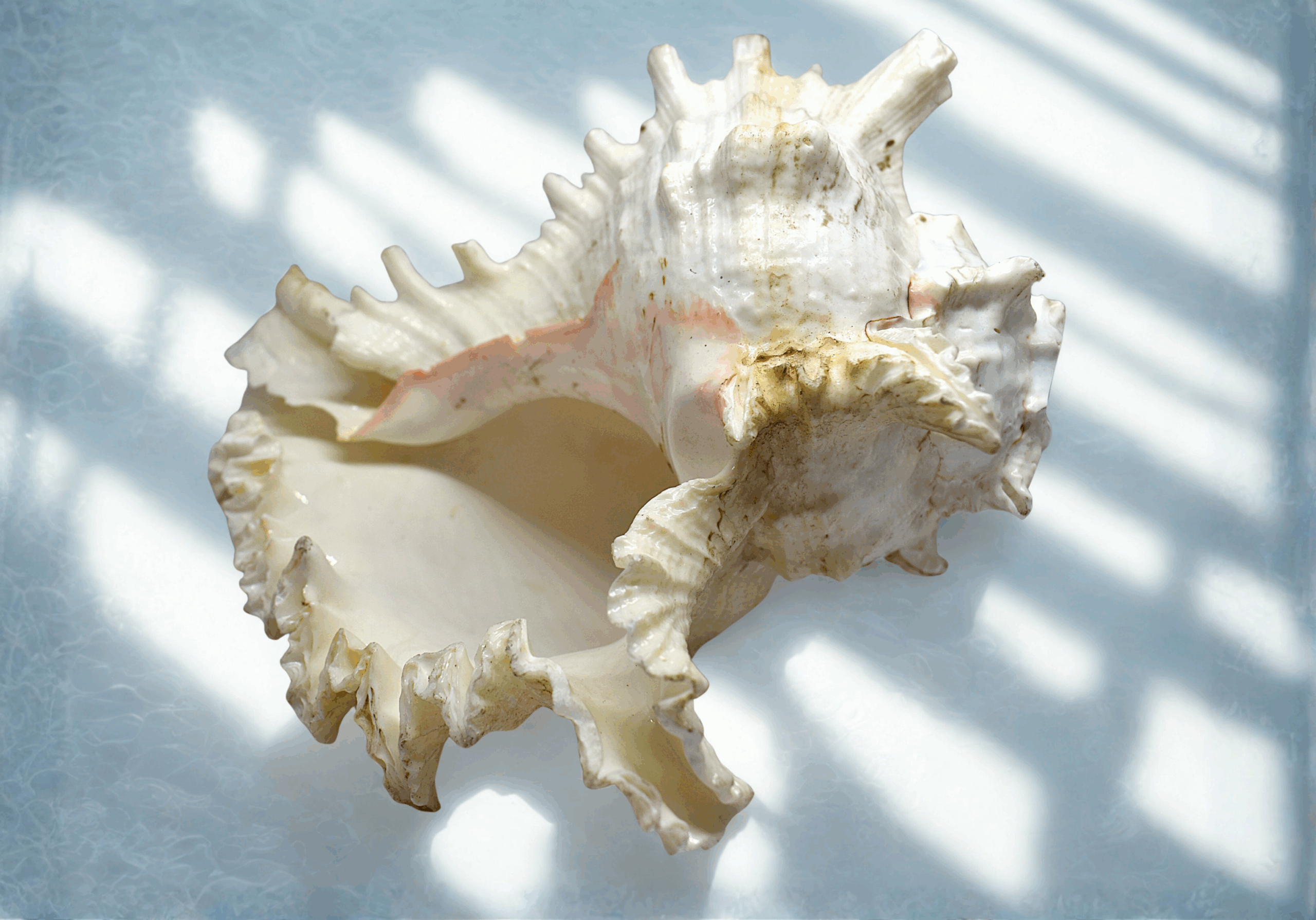

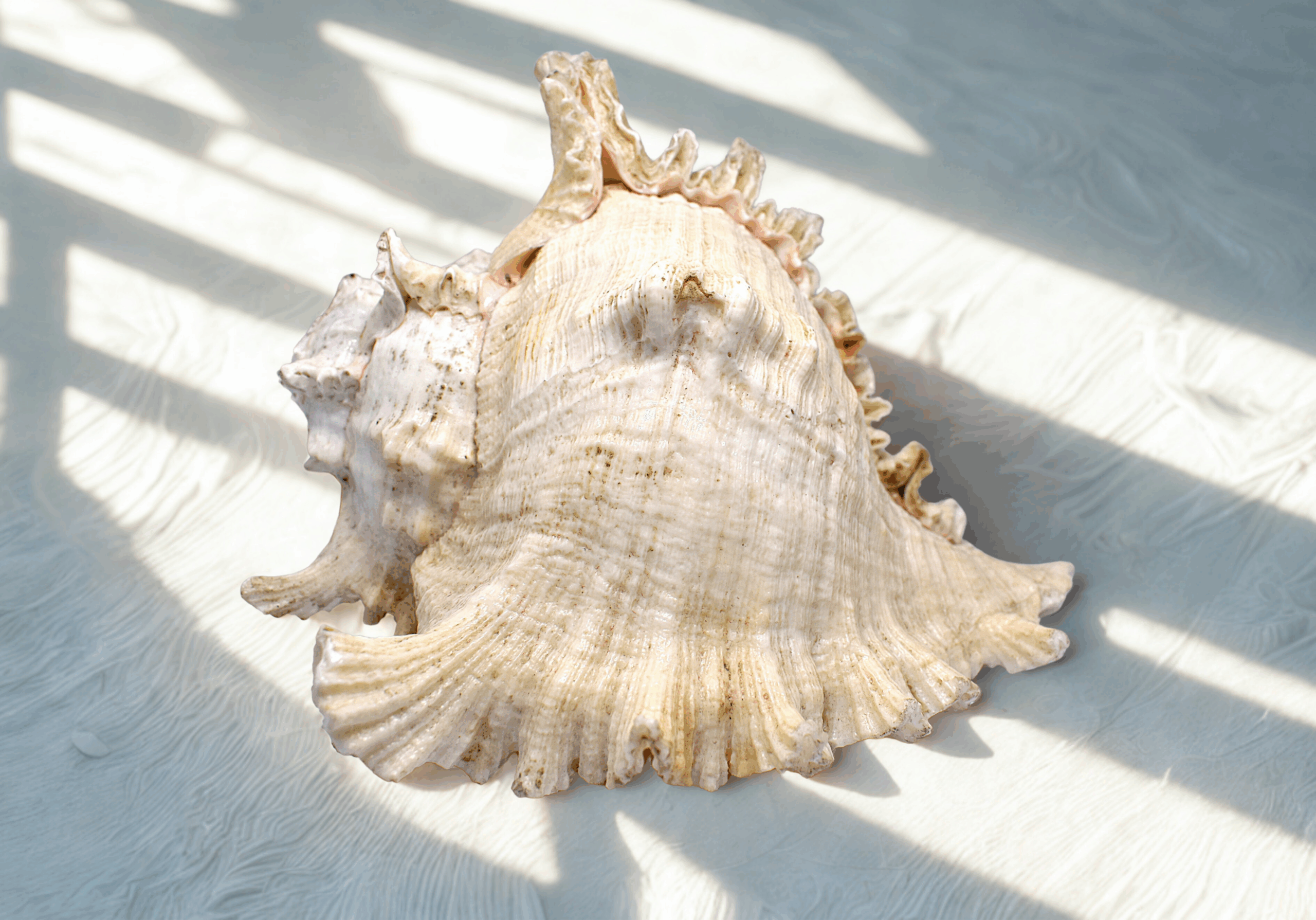
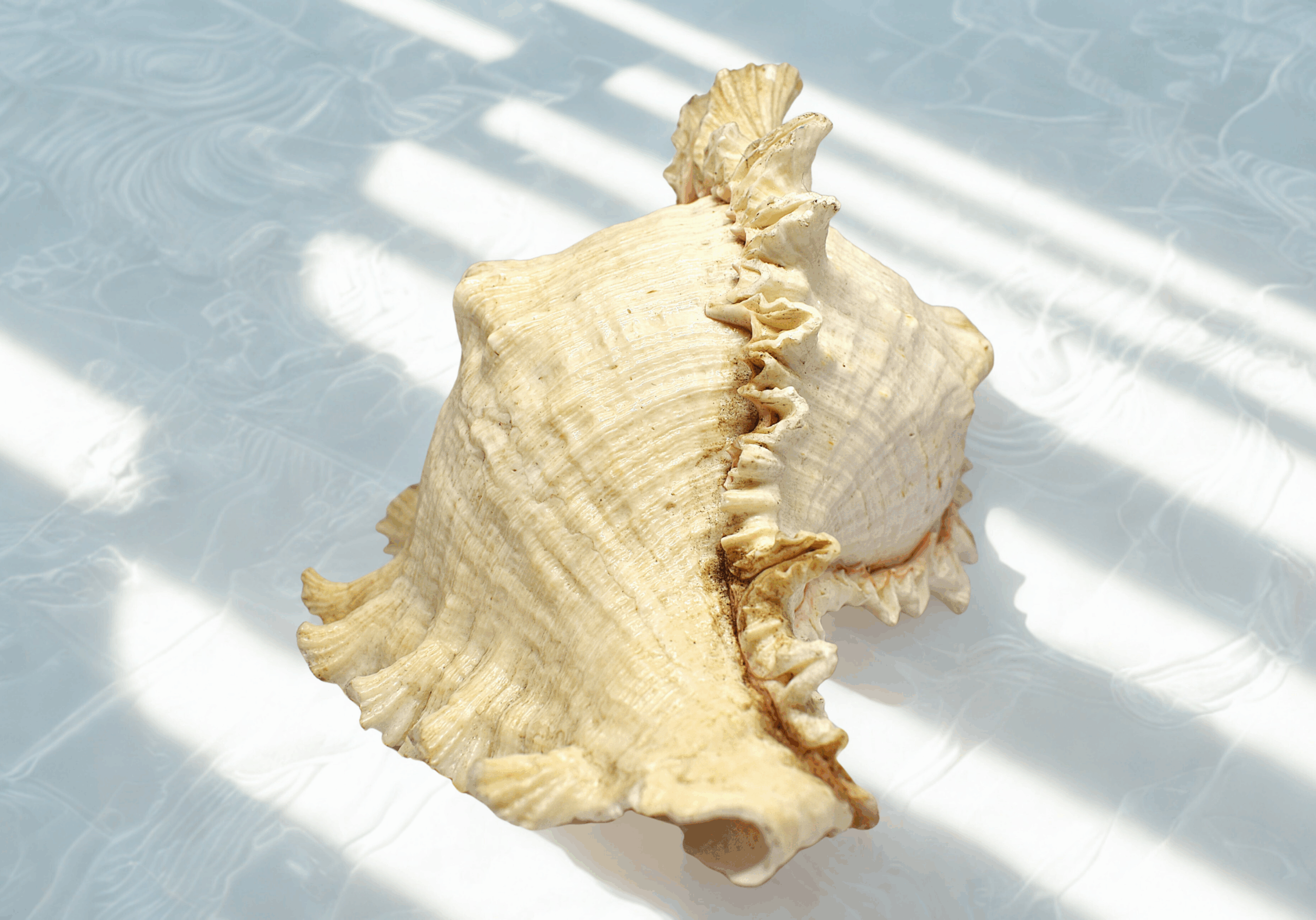
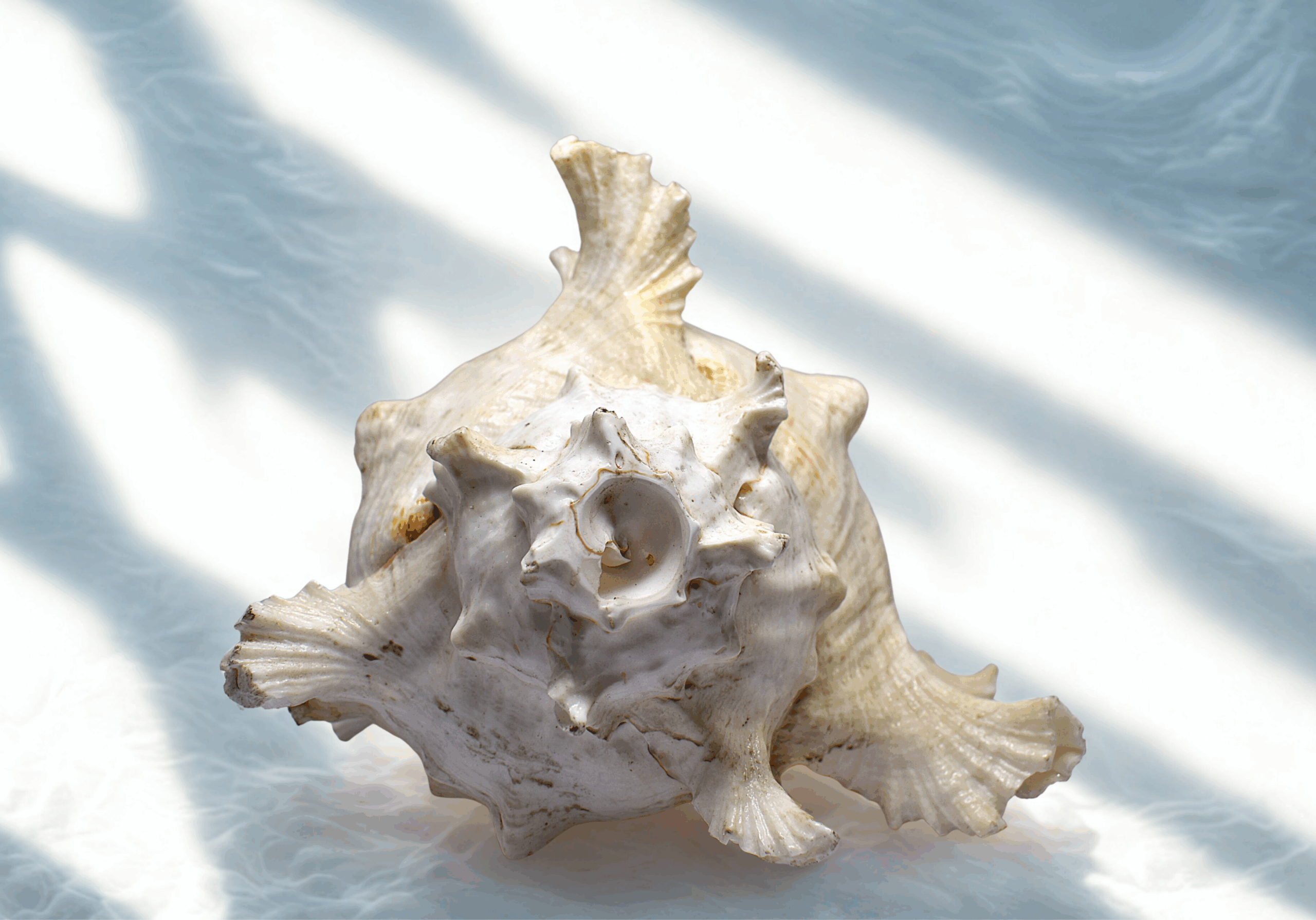
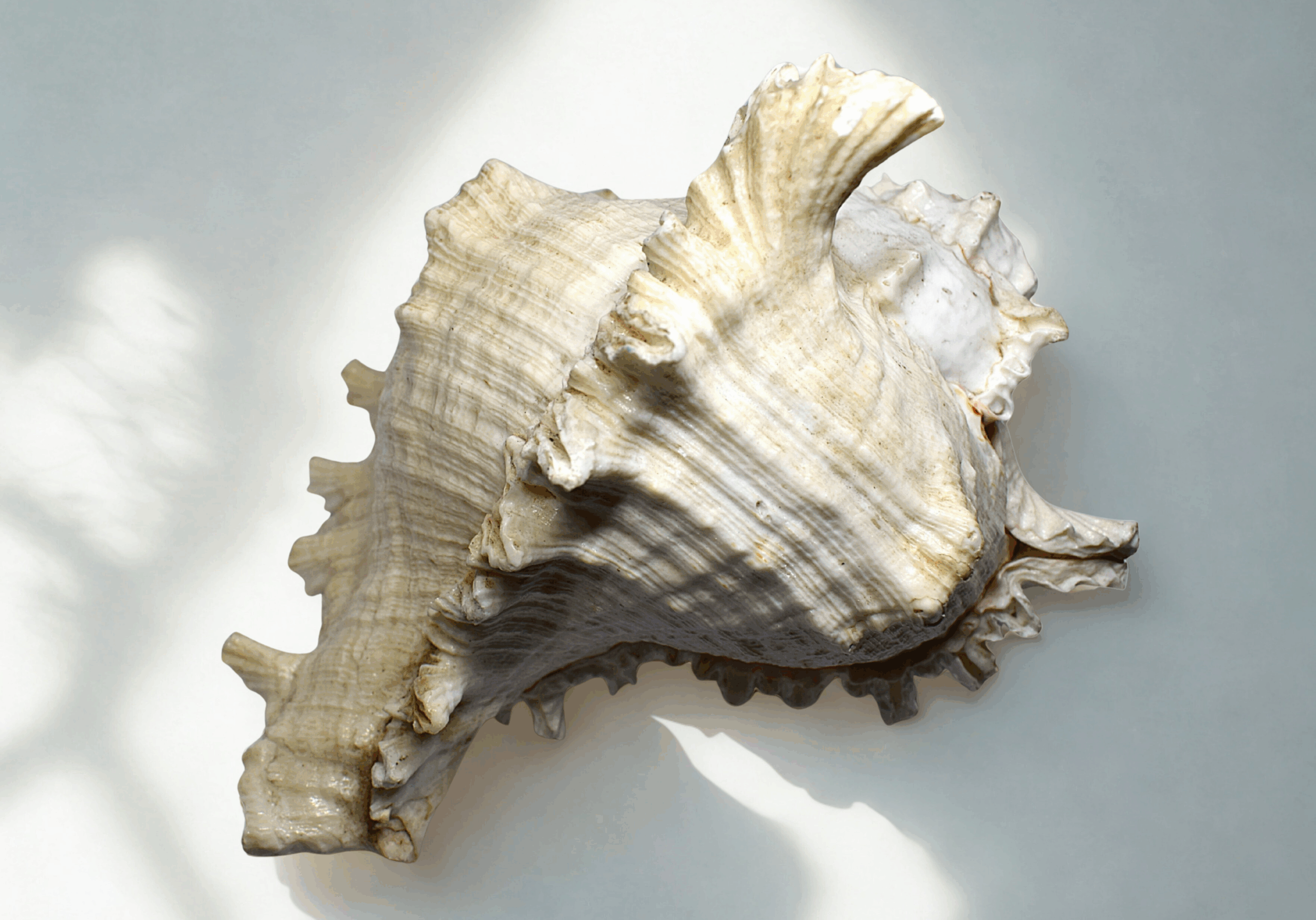








Description
The Moon-Faced Conch Traditionally Associated with Calmness & Emotional Balance
DIMENSION- 9 INCH
Hindi / Sanskrit Names:
- चन्द्रमुखी शंख (Chandramukhi Shankha)
- चन्द्र शंख (Chandra Shankha)
- सोम शंख (Soma Shankha)
English Name:
- Moon-Faced Conch
- Lunar Conch
- Crescent Pattern Sacred Conch
Scientific Identification:
Typically a natural variation of:
Turbinella pyrum
(“Chandramukhi” refers to surface resemblance, not a separate species.)
Overview
The Chandramukhi Shankh derives its name from the Sanskrit words Chandra (moon) and Mukhi (faced or shaped), referring to its gentle, rounded formation that resembles the soft radiance of the moon.
In Hindu symbolism, the moon represents calmness, emotional harmony, rhythm, and subtle energy. Conches identified in devotional traditions as “Chandramukhi” are appreciated for their smooth contours and serene visual presence, making them especially suited for sacred spaces dedicated to peace and reflection.
While the classification is devotional rather than scientific, the symbolic connection to lunar qualities has made this form culturally meaningful in many spiritual households.
Spiritual & Cultural Significance
In Vedic and Puranic symbolism, the moon (Chandra) is associated with:
- Emotional equilibrium
- Mental clarity
- Cooling and calming energy
- Rhythmic cycles of life
The Chandramukhi Shankh is traditionally kept in spaces intended for meditation, prayer, or quiet contemplation. Its presence is considered symbolically aligned with tranquility and gentle spiritual focus.
The conch itself is a sacred emblem in Hindu tradition, prominently held by Vishnu and frequently referenced in classical literature including the Mahabharata.
While different conch names arise from devotional traditions, the sacred status of the shankh as a ritual object is deeply rooted in scriptural and temple heritage.
Symbolism of the Moon in Hindu Thought
The moon occupies an important place in Hindu cosmology and iconography:
- It adorns the matted locks of Shiva as a crescent, symbolizing cyclical renewal and control over time.
- Lunar cycles govern traditional calendars and festival timings.
- The moon is associated with the mind (manas) in classical philosophical texts.
The Chandramukhi Shankh draws from this symbolic landscape — not as a claim of outcome, but as a devotional representation of these traditional meanings.
Natural Formation & Individual Character
Each Chandramukhi Shankh is:
- Naturally formed in marine environments
- Unique in curvature and surface texture
- Distinct in tone when blown
- Individually marked by organic patterns
Subtle variations are natural characteristics of authentic marine conches and are not considered imperfections.
No two pieces are identical.
Traditional Usage & Placement
The Chandramukhi Shankh is traditionally:
- Placed in meditation rooms or quiet altar spaces
- Used during evening aarti or full-moon observances
- Kept as a symbolic object of serenity and sacred rhythm
- Occasionally used to hold ritual water for ceremonial sprinkling
In some devotional traditions, it is associated with practices performed on Mondays or during lunar festivals.
Such usages vary across regions and lineages.
Sound & Acoustic Nature
When blown correctly, the conch produces a deep, resonant sound. In traditional philosophy, this sound is symbolically linked with the primordial vibration described in Vedic thought.
From an acoustic perspective, the conch functions as a natural wind instrument. Its spiraled internal structure amplifies breath into a powerful tone that historically served ceremonial and signaling purposes in temples and royal courts.
Aesthetic & Sacred Presence
Beyond ritual function, the Chandramukhi Shankh is admired for:
- Its gentle, luminous form
- Balanced spiral structure
- Elegant presence in sacred interiors
It pairs beautifully with silver, brass, or white altar settings and is often chosen for serene, minimalist sacred décor.
Who Is This For?
The Chandramukhi Shankh is ideal for:
- Devotees seeking a calming sacred symbol
- Meditation practitioners
- Lunar festival observances
- Collectors of traditional ritual objects
- Those curating a refined spiritual space
It appeals particularly to individuals drawn to symbolic and contemplative aspects of Hindu heritage.
Care Instructions
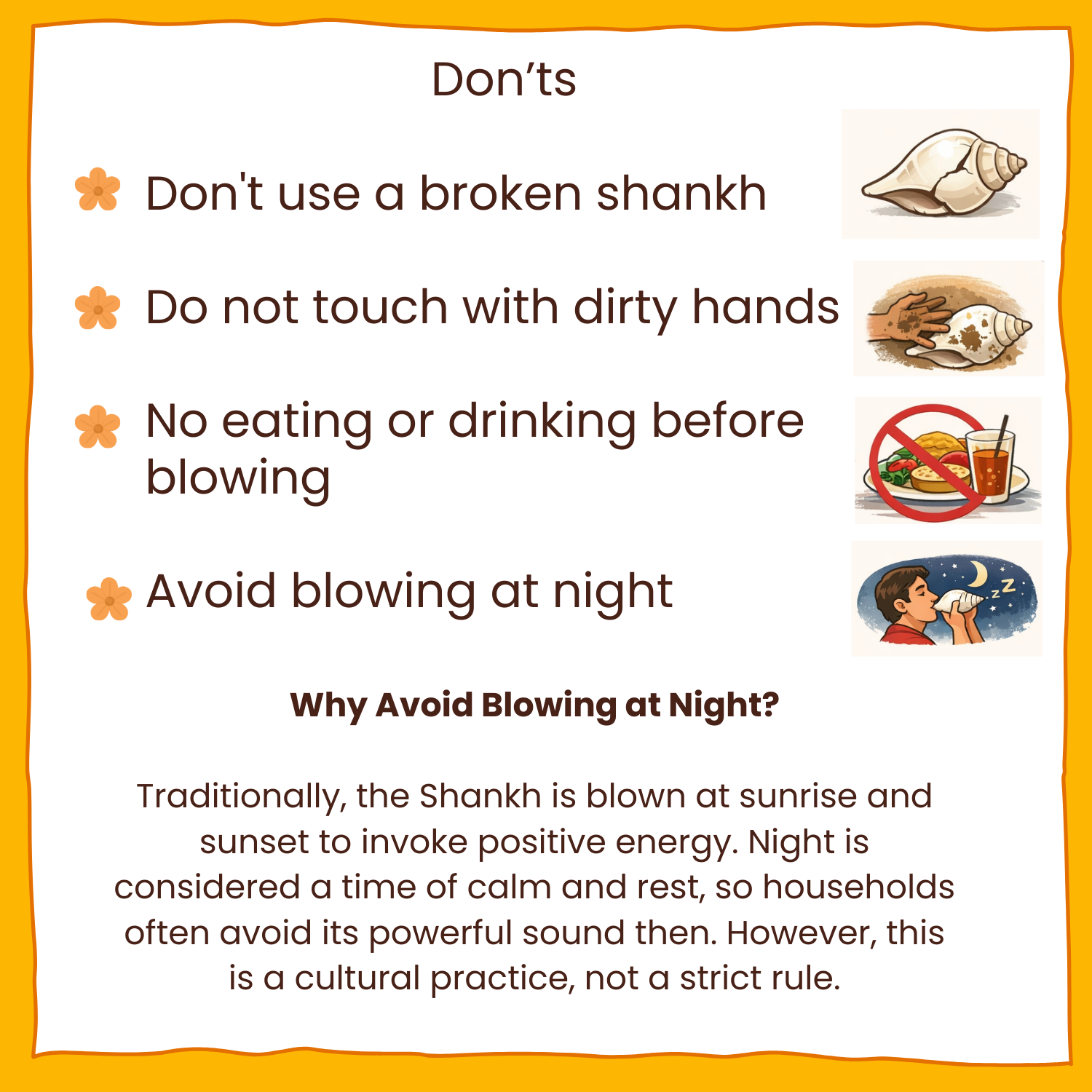
- Rinse gently with clean water after ritual use.
- Avoid chemical or abrasive cleaning agents.
- Dry thoroughly before storage.
- Store respectfully in a clean, dry place.
Proper care maintains both physical preservation and ritual sanctity.
Important Note on Traditional Associations
The symbolic meanings described above arise from traditional Hindu devotional interpretations. Beliefs and practices may vary across communities and spiritual lineages.
This product is offered as a sacred heritage object and not as a guarantee of specific outcomes.

Reviews
There are no reviews yet.