
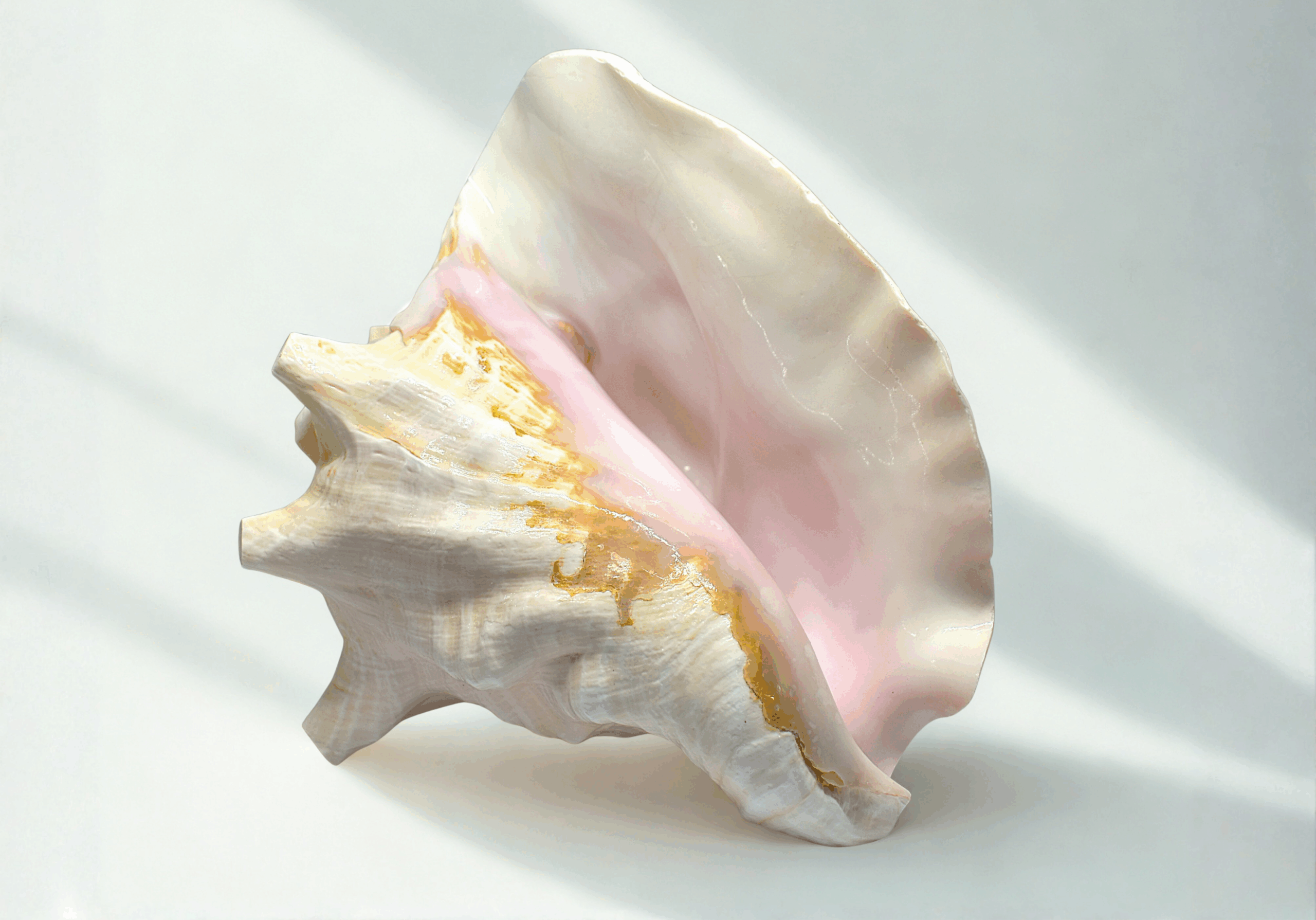
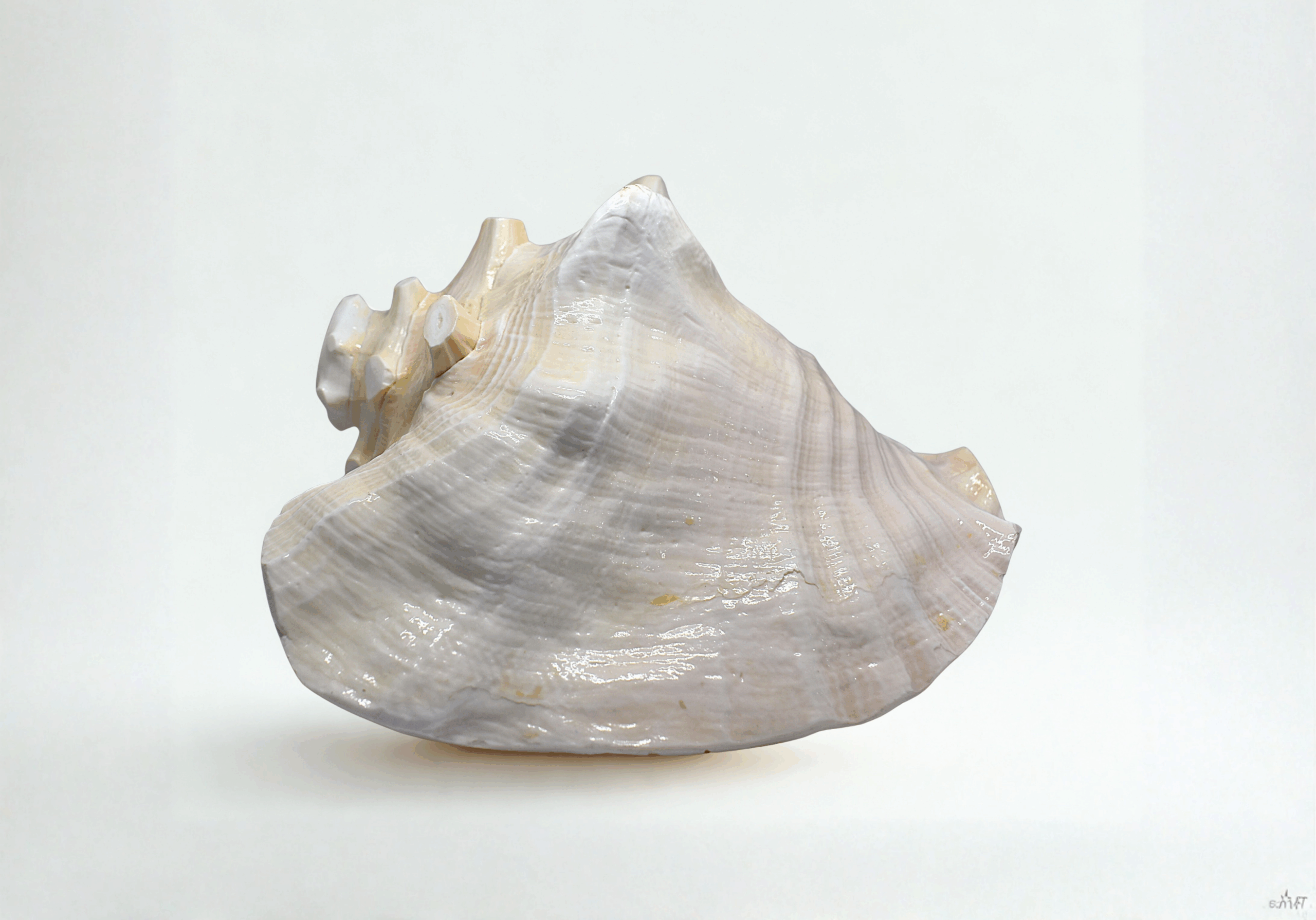
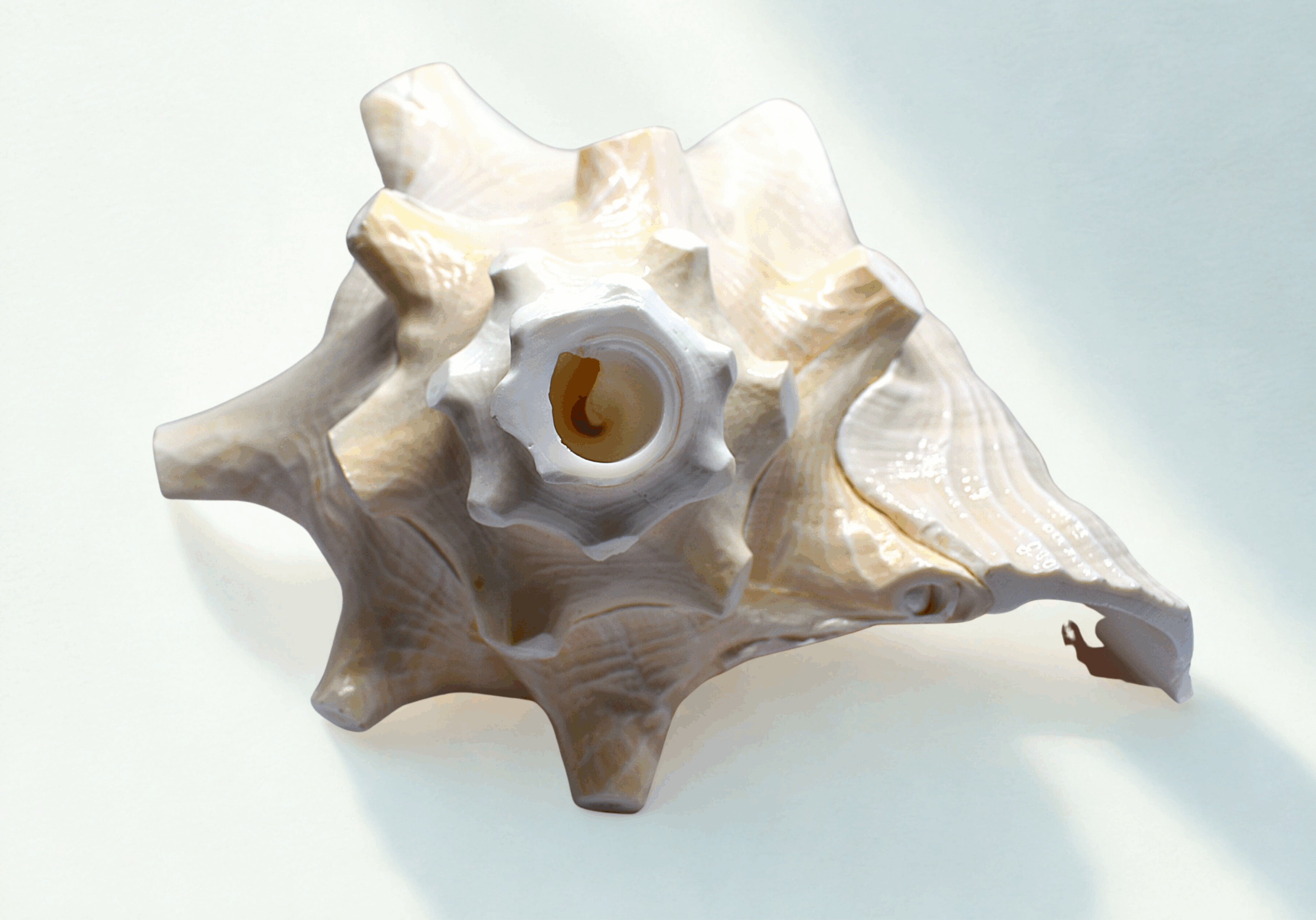
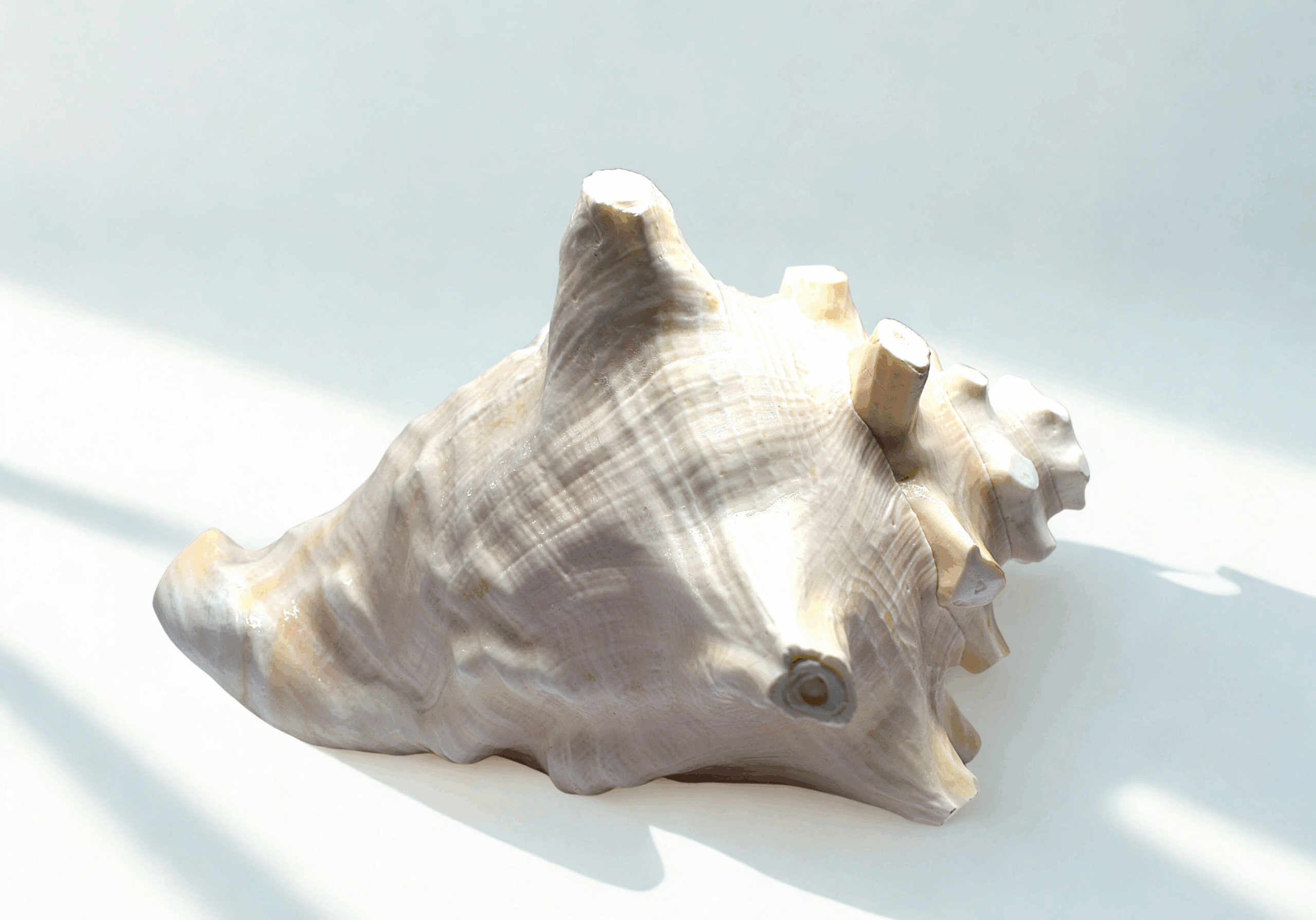



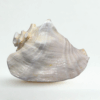




Description
Traditionally Associated with Nourishment, Abundance & Sacred Hospitality
DIMENSION- 9 INCH
Hindi / Sanskrit Names:
- अन्नपूर्णा शंख (Annapurna Shankha)
- अन्नदाता शंख (Annadata Shankha)
English Name:
- Annapurna Conch
- Nourishment Conch
- Abundance Ritual Conch
Scientific Identification:
Turbinella pyrum
(Named symbolically after Goddess Annapurna; not a zoological variant.)
Overview
The Annapurna Shankh is a sacred conch named after Goddess Annapurna, the revered Hindu deity symbolizing nourishment, sustenance, and the sacred act of feeding. In devotional traditions, this form of shankh is associated with the spirit of abundance — not merely in material terms, but in the deeper sense of care, provision, and gratitude.
The name draws inspiration from Annapurna, a form of Parvati, who represents the eternal provider of food and life energy.
While marine conches are natural oceanic formations, certain forms have, over centuries, been symbolically linked with particular devotional themes. The Annapurna Shankh is one such culturally recognized form.
Spiritual & Cultural Significance
In Hindu philosophy, food (anna) is not merely sustenance — it is sacred. The Taittiriya Upanishad describes food as a manifestation of divine presence, worthy of reverence and gratitude.
Goddess Annapurna embodies:
- Nourishment of body and spirit
- Sacred hospitality
- Prosperity rooted in generosity
- The idea that giving sustains cosmic balance
The Annapurna Shankh is traditionally kept in kitchens, dining areas, or prayer rooms as a symbolic gesture honoring the sacredness of nourishment and household harmony.
These associations arise from devotional traditions and may vary across regions and lineages.
Scriptural Context
The conch (Shankha) holds a prominent place in Hindu scriptures and iconography.
It is one of the four principal attributes of Vishnu and is referenced in texts such as the Mahabharata, where conches are blown to mark significant spiritual and historical moments.
While the Annapurna Shankh as a named form is rooted in devotional tradition rather than a single scriptural verse, the symbolism of the conch itself — as sacred sound and ritual purifier — is well established in Hindu heritage.
Natural Formation & Authenticity
Each Annapurna Shankh is:
- Naturally formed in marine environments
- Unique in size, curvature, and surface pattern
- Distinct in tonal quality if blown
- Individually marked by organic textures
Subtle variations are natural characteristics of authentic conches and reflect their organic origin.
No two pieces are identical, making each shankh a singular sacred object.
Traditional Usage & Placement
The Annapurna Shankh is traditionally:
- Placed in the kitchen or near food storage areas
- Kept on the household altar during daily puja
- Used during festivals celebrating nourishment and gratitude
- Filled with water for ritual sprinkling in ceremonies
In some households, it is especially revered during Annakut celebrations and harvest festivals.
Such practices are devotional in nature and vary across communities.
Symbolism of Nourishment
In Vedic thought, nourishment extends beyond physical food. It includes:
- Emotional well-being
- Spiritual contentment
- The act of sharing
- The continuity of family and community
The Annapurna Shankh symbolically represents these values — serving as a reminder of gratitude, provision, and mindful living.
It is not presented as a tool for guaranteed outcomes, but as a sacred heritage object aligned with traditional meanings.
Aesthetic Presence
The Annapurna Shankh often features:
- A balanced, harmonious spiral
- A dignified, substantial form
- A natural sheen characteristic of marine shells
It complements brass, copper, and traditional altar settings beautifully, particularly in spaces dedicated to household worship.
Who Is This For?
The Annapurna Shankh is ideal for:
- Devotees of Goddess Annapurna
- Households honoring the sacredness of food
- Spiritual practitioners focused on gratitude and abundance
- Collectors of traditional ritual objects
- Those curating a heritage-inspired sacred space
It is especially meaningful for families who see nourishment as a sacred responsibility.
Care Instructions
- Rinse gently with clean water after ritual use.
- Avoid chemical or abrasive cleaning agents.
- Dry thoroughly before storing.
- Keep in a clean, respectful space.
Proper care preserves both physical integrity and ritual sanctity.
Important Note on Traditional Beliefs
The symbolic meanings described above are based on traditional Hindu devotional interpretations and cultural practices. Beliefs and usage may vary across regions and spiritual lineages.
This product is offered as a sacred heritage object and is not intended to guarantee specific material or spiritual outcomes.



Reviews
There are no reviews yet.